Chess for the youngest: getting started at ages 3 to 5
Can a three-year-old really learn chess? Not the full game, at least not straight away. But very young children can absolutely start enjoying chess, and the habits they pick up now make the real game much easier later. The trick is to forget about whole games for a while and play with the pieces instead.
Start with the pieces, not the rules
To a small child, a chess set is a box of little figures. Let them handle the pieces, name them and sort them. Which one has a cross on top? (The king.) Which one looks like a horse? (The knight.) Which one is a little castle tower? (The rook.) Naming games like these take a couple of minutes and build familiarity without any pressure.
Next, line up the pawns and count them together: eight white, eight black. Then try a simple sorting game: "Can you find both bishops?" Small wins like these feel big at this age.
One piece at a time
When your child is ready to move pieces, introduce them one by one. The rook is a good first choice because it moves in straight lines, forwards, backwards or sideways, as far as it likes until something is in the way. Put a rook and a few toy treats on an empty board and let your child "collect" them.
After the rook, try the bishop (diagonal lines) and later the queen, which can do both. Save the knight for later: its L-shaped jump is the trickiest move for little ones.
Tip: Keep the board nearly empty. One or two pieces and a couple of targets is plenty. A full board is overwhelming for a three- or four-year-old.
Pawn games before full games
A classic step towards real chess is the pawn game. Each player has only their eight pawns on their starting row. The first person to get a pawn all the way to the other side wins. Your child learns that pawns move straight forward, can move two squares on their very first move, and capture diagonally. It is short, exciting and easy to restart.
Keep it short and playful
Little children learn best in short bursts. Five minutes of happy play is worth far more than twenty minutes of tired frustration. Stop while they still want more, and let them win plenty of the time.
- Use stories: the king is sleepy and only takes small steps.
- Praise effort ("You found the right square!") rather than results.
- Let them teach you a move. Explaining is great practice.
How ChessMons can help
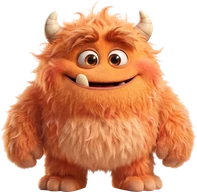
In ChessMons, the How to Play lessons explain each piece with a friendly voice-over, and free piece practice lets children move one piece around the board at their own pace. When they are ready for more, the adventure begins in Monster Meadow with short lessons and gentle games against Chess Monsters. Professor Tock, our tortoise coach, gives step-by-step hints when a child gets stuck.
Grown-ups can open the parent settings, behind a grown-up question, to choose the help level, turn on break reminders and set a daily game limit, so screen time stays short and sweet.
The most important thing
At this age, the goal is not to raise a champion. It is to make chess feel like a fun, friendly game your child wants to come back to. If they leave the board smiling, you are doing it exactly right.
Seven magical worlds, 35 Chess Monsters and a friendly coach for every move. Free to start.