When chess gets hard: keeping young players motivated
Every young chess player hits a wobble. One day your child is proudly marching pawns across the board, and the next they lose a game, push the pieces away and say "I'm bad at chess." That moment is normal, and how we respond to it matters more than any single lesson.
Here are some practical ways to keep four- to eight-year-olds coming back to the board with a smile.
Praise the effort, not the result
Young children hear "you won!" as the point of the game. Try to notice the thinking instead: "You saw that your knight was in danger and moved it. That was clever." When praise is about what they did, a lost game still has something to be proud of.
Keep sessions short and stop on a high
Little ones tire quickly, and a frustrated finish is what they remember next time. Aim for a few minutes, and end straight after a success, such as a solved puzzle or a nice capture, even if they want "just one more".
Try the "one good thing" ritual. After every game or practice, ask your child to tell you one good move they made. If they can't think of one, point one out yourself. It ends every session on a positive note, win or lose.
Make losing feel safe
Losing is part of chess for everyone, including the very best players. A few ideas that help:
- Lose some games yourself, and say out loud how you feel: "Oh no, I missed that! Never mind, let's play again."
- Shake hands after every game, whoever wins.
- Replay the moment the game turned and ask, "What could we try instead?"
- Avoid letting them win every time. Children usually notice, and a real win feels much better.
Shrink the challenge
If full games feel too big, make the task smaller. Play with just pawns and see who reaches the other side first. Set up a king and a few pieces and practise a single idea. Small, winnable challenges build the confidence that full games need.
In ChessMons, the Practice area works the same way: 20 puzzles for each piece and skill, so children can master one idea at a time. "Today's 3" gives them three daily puzzles, a goal small enough to finish happily.
Let hints be a friend
Getting stuck is where frustration starts. Encourage your child to ask for help early rather than staring at the board until they give up. In ChessMons, coach Tock gives step-by-step hints, so a child can be nudged towards the answer and still feel they found it themselves.
Give the game a story
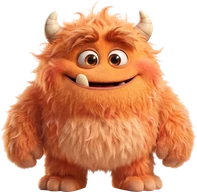
Children are motivated by adventure far more than by ratings. Name the pieces, invent quests, or cheer the pawn that makes it all the way to the end. ChessMons' Adventure saga leans into this: monsters your child beats join their band, so every win adds a new friend to the team.
Follow their lead
Some days your child will want to play three games in a row; other days, none at all. That's fine. Interest comes and goes at this age, and gentle, regular, fun contact with the game does far more than pushing. If chess stays something they look forward to, the skills will follow.
Seven magical worlds, 35 Chess Monsters and a friendly coach for every move. Free to start.